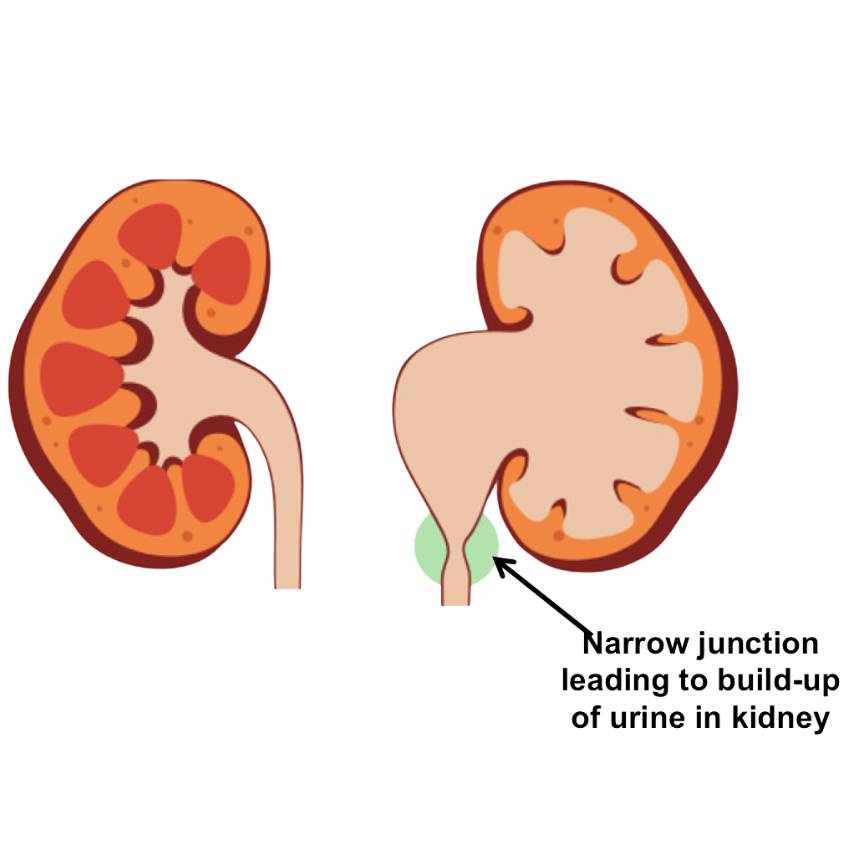
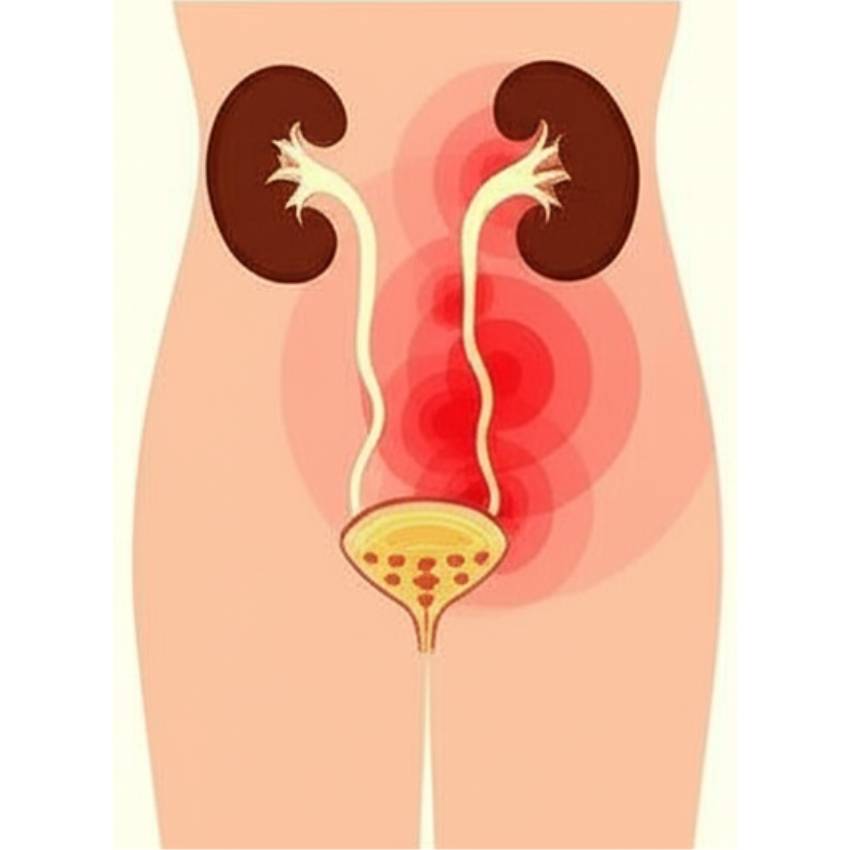
Hydronephrosis is a condition where one or both of a baby’s kidneys become swollen due to a buildup of urine. This happens when there is a blockage in the urinary tract (often known as PUJO) or when urine flows backward from the bladder into the kidney (vesicoureteral reflux).
Often, hydronephrosis is diagnosed during a prenatal ultrasound or it may be picked up later in life if associated with abdominal swelling or urinary tract infection.
Treatment depends on the severity and underlying cause. Mild cases often resolve on their own and are managed with close monitoring via ultrasound. For more severe cases, surgical intervention may be necessary to correct the blockage or reflux to prevent long-term kidney damage.
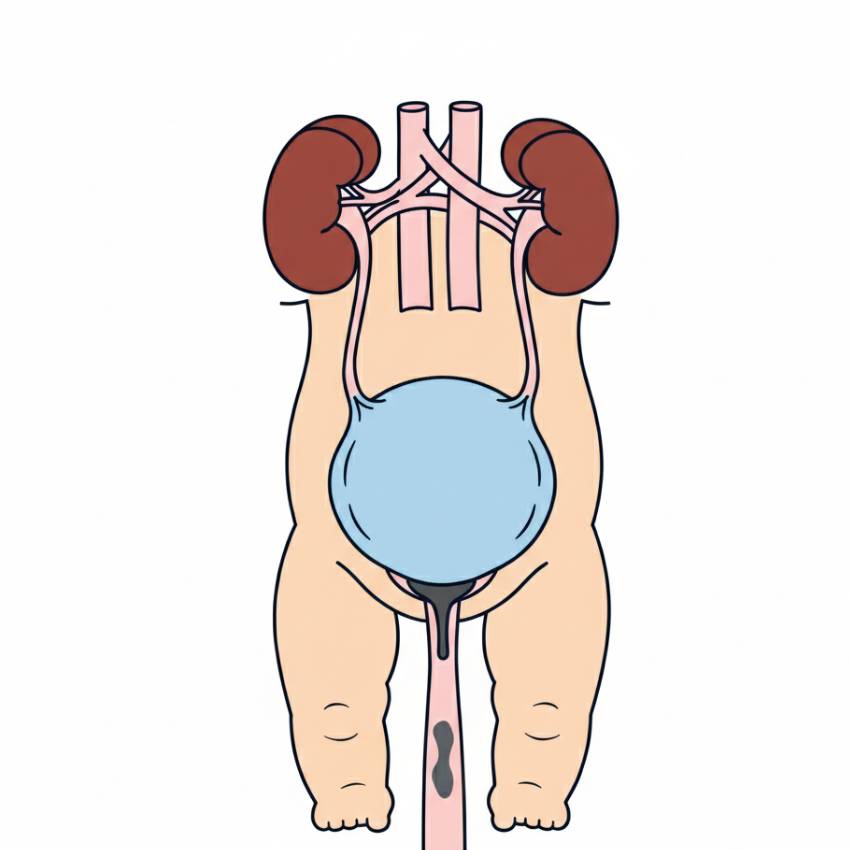
Posterior urethral valves (PUV) are a rare congenital condition affecting only baby boys where an abnormal flap of tissue in the urethra (urine tube) blocks the flow of urine out of the bladder. The blockage causes urine to back up into the bladder and kidneys, leading to significant damage.
PUV is often diagnosed on a prenatal ultrasound. At birth, boys with PUV can present with a weak urinary stream, straining to urinate or urinary tract infection.
Treatment is always surgical where a tiny scope (camera) is inserted into the urethra to surgically cut the valve tissue. Timely diagnosis and treatment are crucial to prevent permanent kidney and bladder damage.
Finding out your baby has a structural anomaly in the kidney or genital organs can be concerning, but it’s important to know that many of these conditions are manageable.
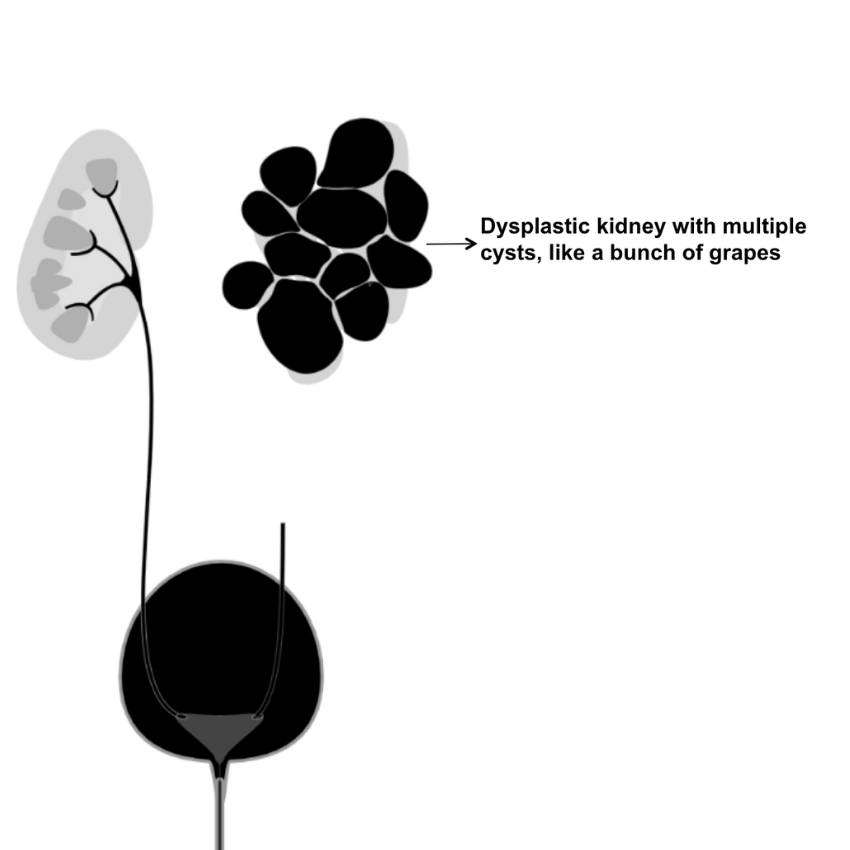
One such condition is a multicystic dysplastic kidney (MCDK), where a kidney develops as a cluster of cysts and doesn’t function. In most cases, the other kidney is healthy and compensates completely. No treatment is usually needed, but your baby will be monitored after birth to confirm the diagnosis and ensure the other kidney is healthy.
Another anomaly is a duplex collecting system, where a kidney has two ureters instead of one. This can sometimes cause urinary reflux or obstruction, but often it causes no problems at all. If treatment is needed, it might involve medication or, in rare cases, a surgical procedure to correct the issue.
Kidney, ureter, and bladder (KUB) stones, while less common in children than adults, can still be a significant health issue. The presentation in children can be varied, ranging from severe flank or abdominal pain, blood in the urine, and recurrent urinary tract infections to no symptoms at all.
Management of KUB stones in children is tailored to the stone’s size, location, and composition. Small stones may pass on their own with increased fluid intake. Larger stones may require surgical intervention, such as use of laser to break the stones and remove them using a camera passed through the pee tube.
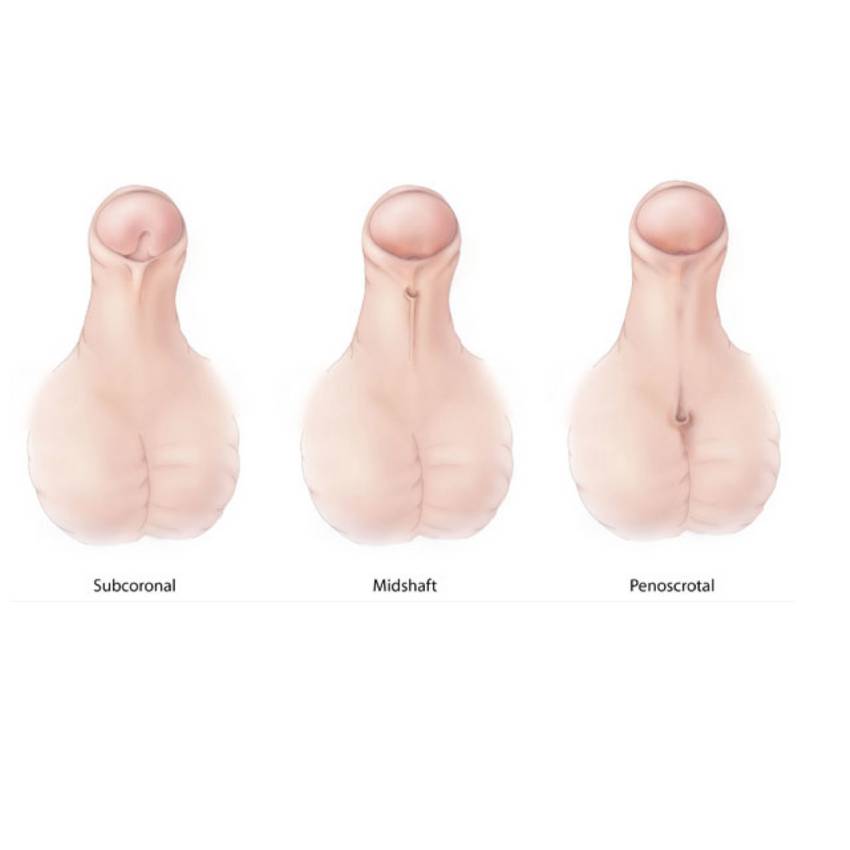
Hypospadias is a common condition in boys where the opening of the urethra, the tube that carries urine out of the body, is not at the tip of the penis. Instead, it is located somewhere on the underside of the penis, and the penis may also have a downward curve, a condition called chordee.
Hypospadias is usually diagnosed at birth during a physical examination. The condition does not cause any immediate health risks, but it can affect a boy’s ability to urinate standing up and can cause issues with sexual function later in life.
The treatment for hypospadias is a surgical repair, typically performed between 6 and 18 months of age. With a successful surgery, the long-term prognosis is excellent.
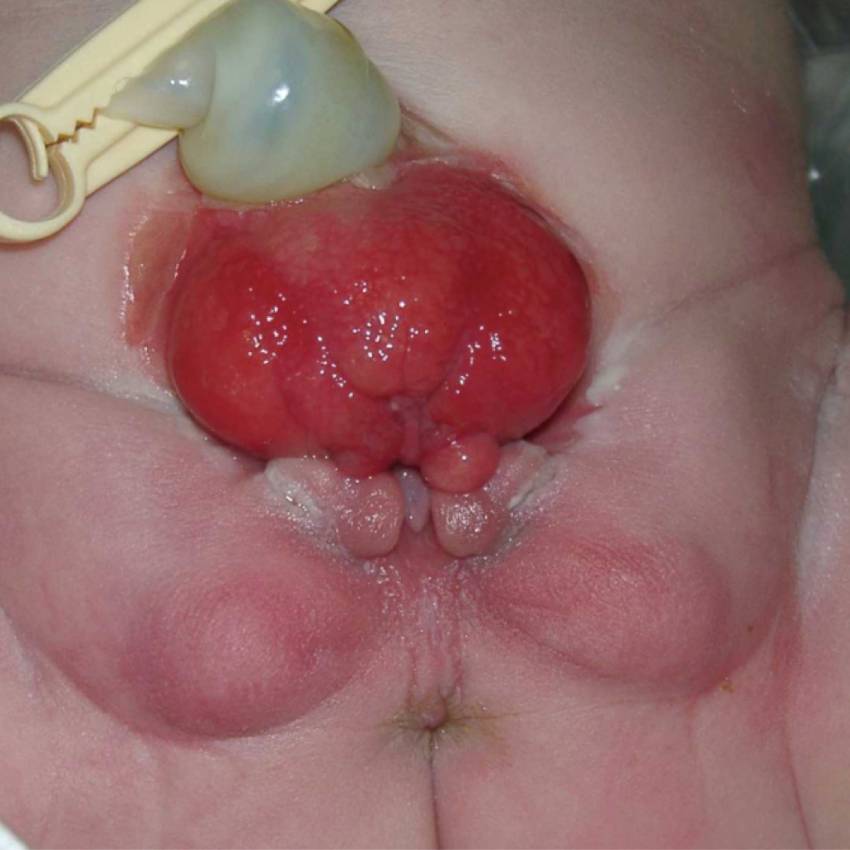
Bladder exstrophy is a rare condition where the bladder is open and exposed on the outside of the abdomen. This can be alarming for parents, but with specialised medical care, children can live full and healthy lives.
Management involves a series of surgical procedures, often starting soon after birth. The primary goal is to close the bladder and abdominal wall, reconstruct the urethra and genitals, and establish urinary control.
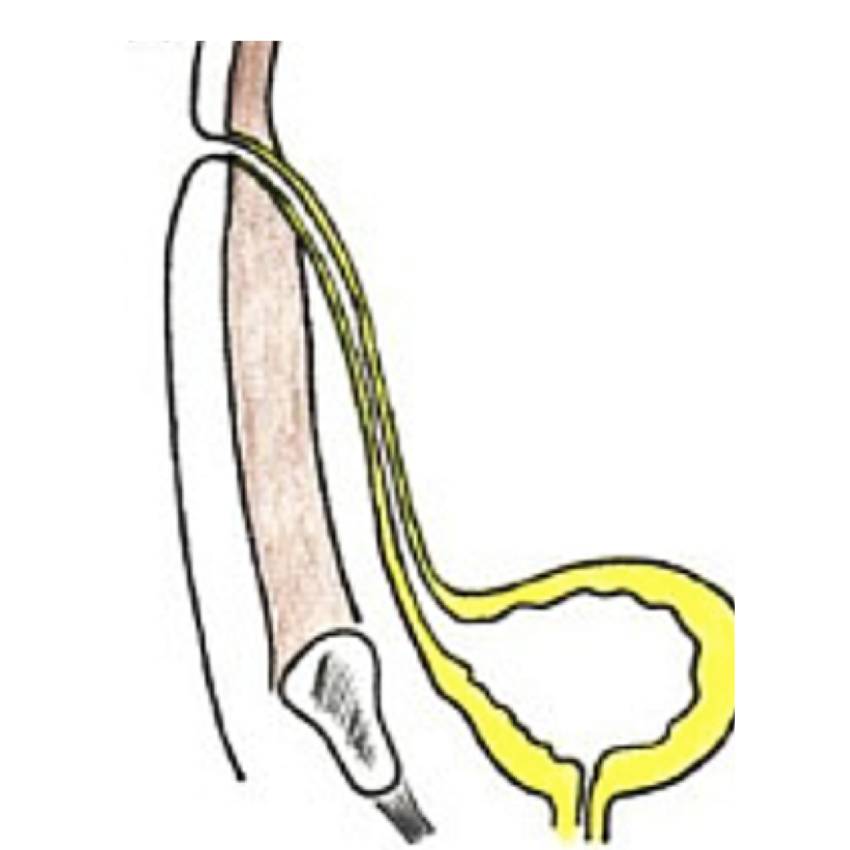
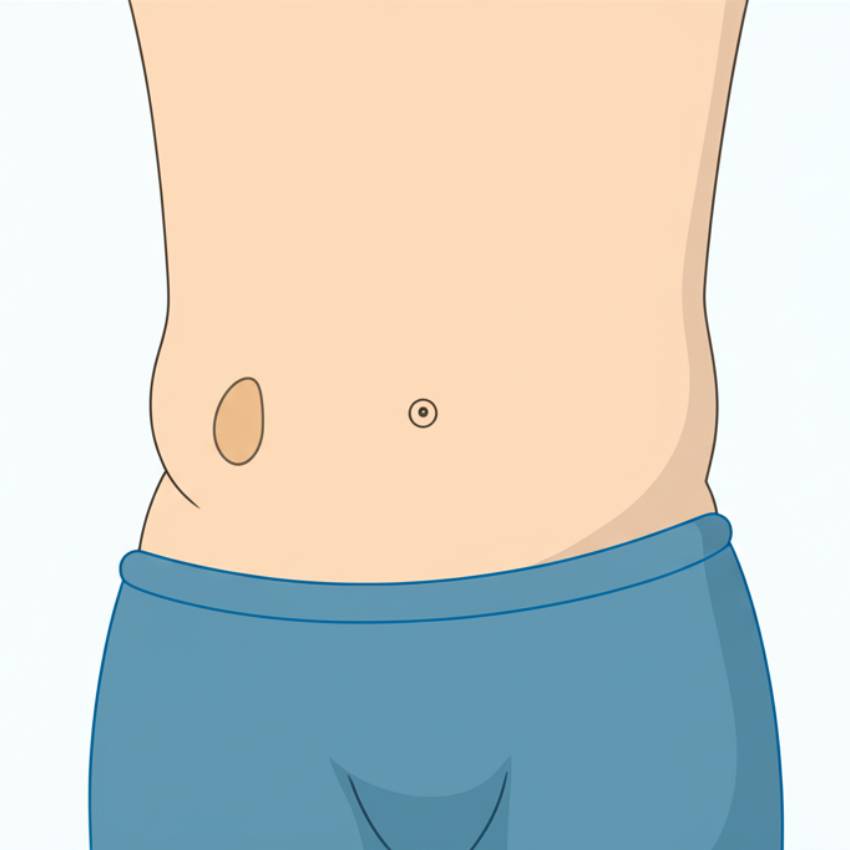
A patent urachus is a rare birth defect where the tube that connects the belly button to the bladder (the urachus) fails to close completely before birth. This leaves a small, open channel. The most common sign is a leak of urine/ bad smelling discharge from the belly button.
Because this opening can be a source of infection, it is important to seek medical attention. The management of a patent urachus is a simple surgical procedure where the tract is removed and opening in the bladder is closed using keyhole surgery.
Phimosis is a condition where the foreskin is too tight to be pulled back over the head of the penis. In most baby and toddler boys, this is completely normal and typically resolves on its own as the child grows.
It only becomes a medical concern if it causes symptoms like difficulty urinating or recurrent infections.
Management often begins with simple, gentle daily stretching of the foreskin. In some cases, a topical steroid cream may be required to help loosen the foreskin. If these methods are not successful or if the symptoms are severe, a circumcision may be recommended. The key is to avoid forceful retraction of the foreskin, which can cause pain and injury.
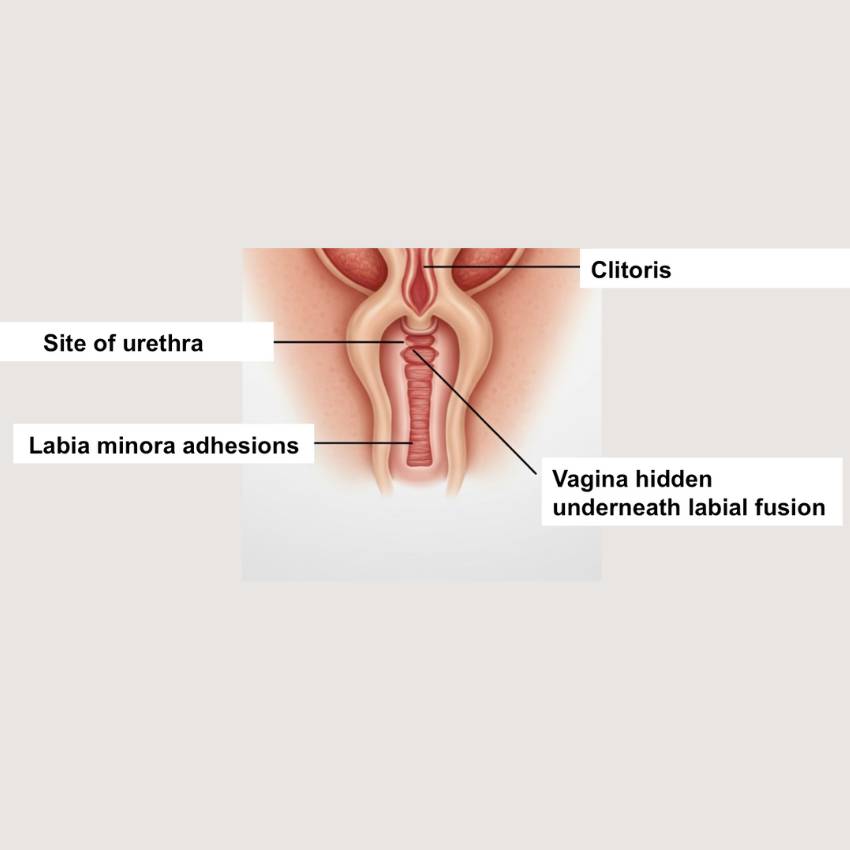
Labial adhesion is a common condition in young girls where the inner lips of the vulva (labia minora) stick together, partially or completely covering the vaginal opening. It’s often caused by low oestrogen levels in early childhood or irritation from diapers, soap, or infection.
Often, no treatment is necessary, and the goal is to prevent irritation. This includes using mild, unscented soaps and ensuring the area is kept clean and dry. If the adhesion is complete or causes symptoms like pain, urinary tract infections, or a “spraying” urine stream, a minor procedure may be needed to separate the labia.
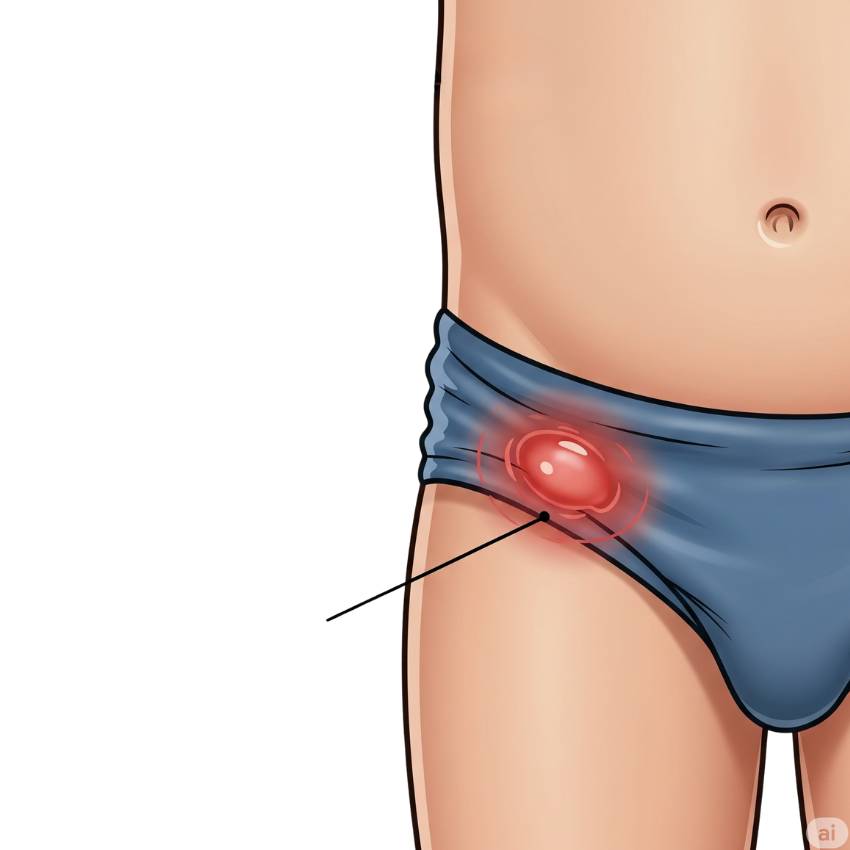
Inguinal hernia and hydrocoele are common conditions in children, both involving the groin area. An inguinal hernia is a bulge that appears when a part of the intestine or other abdominal tissue pushes through a hole in the muscle. A hydrocoele is a painless swelling in the scrotum caused by fluid accumulation.
Both conditions arise from a small opening in the abdominal wall that doesn’t close properly after birth. While a hydrocoele often resolves on its own within the first year of life, a hydrocoele persisting beyond the first birthday or inguinal hernia (as soon as diagnosed) require surgical repair. The surgery is a common, safe procedure that closes the opening to prevent the hernia from recurring or causing complications.
An undescended testis is a common condition where one or both testes (balls) don’t move down into the scrotum before birth. If a testis remains high after six months of age, it requires medical attention. Leaving it in the abdomen can increase the risk of fertility issues and a higher chance of developing testicular cancer later in life.
The management for an undescended testis is a simple surgical procedure called an orchidopexy, done open or laparoscopically depending on location of testis. This operation involves moving the testis into the scrotum and stitching it in place. The best time for this surgery is typically between six and twelve months of age.
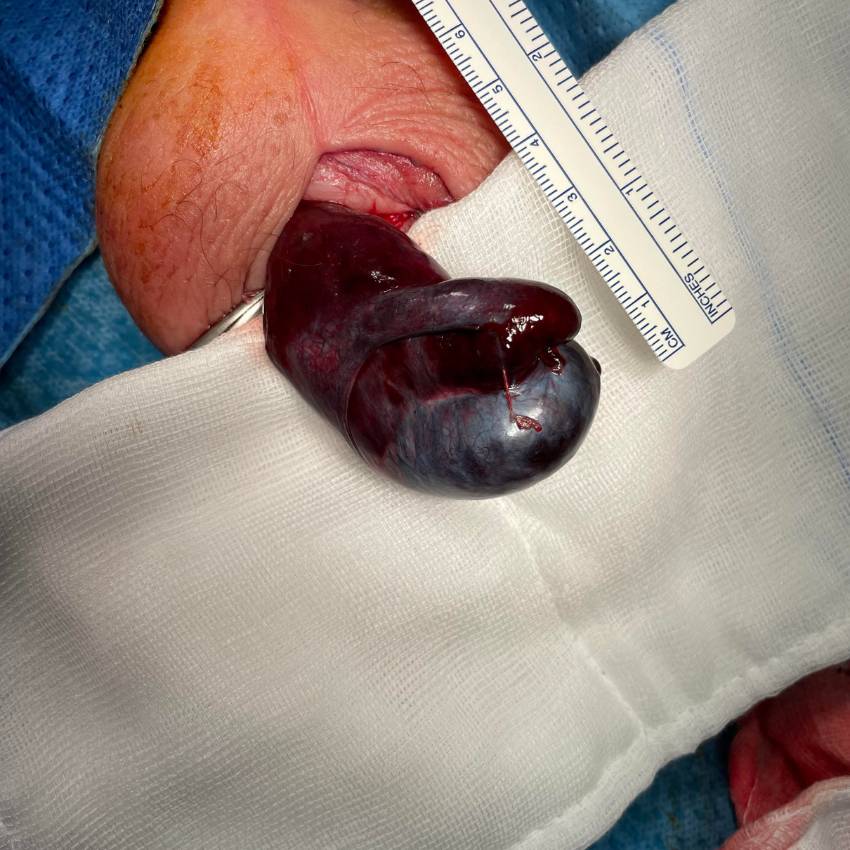
Testicular torsion is a medical emergency that occurs when a testicle (ball) twists, cutting off its blood supply. It’s most common in boys between the ages of 12 and 18, but it can happen at any age, including in infants. It presents with sudden, severe pain in the scrotum, which may be accompanied by swelling and redness.
The primary management is emergency surgery to untwist the spermatic cord and restore blood flow to the testis. The longer the delay, the higher the risk of losing the testicle. Other conditions with similar symptoms include epididymitis (inflammation of the sperm tube), a hernia, or trauma.
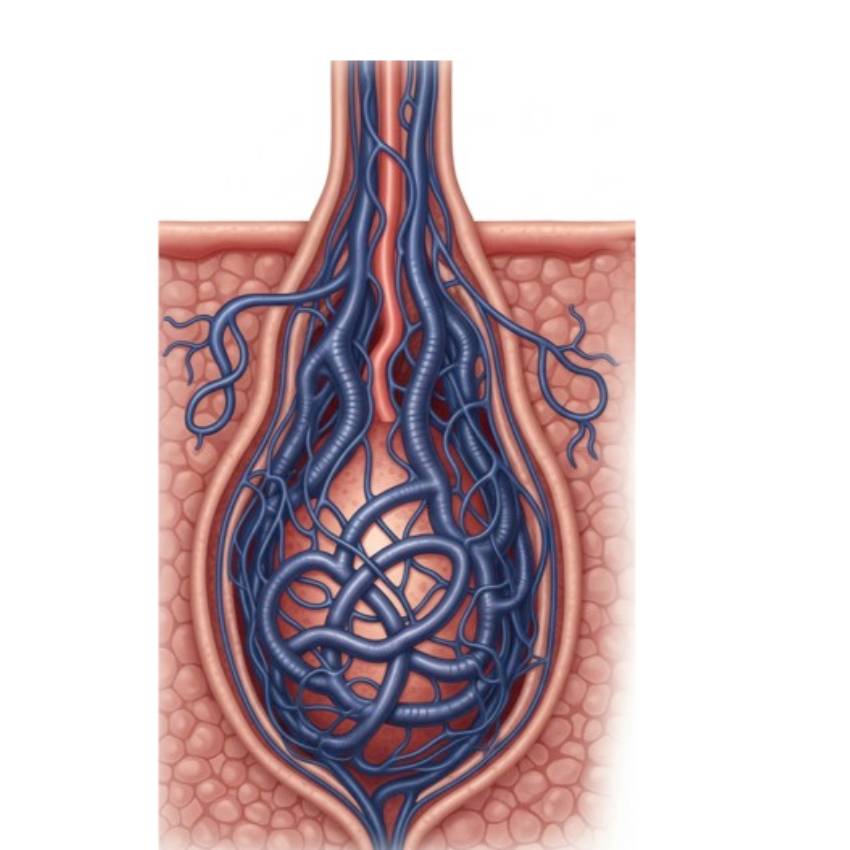
A varicocoele is an enlargement of the veins within the scrotum seen in adolescent boys. While most varicocoeles are asymptomatic, they can sometimes cause a dull ache or a lump in the scrotal sac. The primary concern with a varicocele is its potential to affect testicular growth and sperm production.
Management depends on the size of the varicocoele and its effect on testicular growth. If a varicocoele is causing pain or is associated with a smaller testicle on the affected side, intervention may be recommended. The most common procedures involve surgically tying off or blocking the affected veins, which are both safe and effective.
VUR is a condition where urine in the bladder flows backward via the ureters and toward the kidneys. This can lead to kidney infections and, in severe cases, kidney damage over time. It is often diagnosed after a child has had a urinary tract infection (UTI).
Management depends on the severity of the reflux. Mild cases may resolve on their own as the child grows, and preventative antibiotics to reduce the risk of UTI may be required. More severe cases may require an endoscopic injection or open surgical procedure to prevent urine from flowing backward.
Day and night time urinary incontinence, or bedwetting, are common childhood issues. Daytime wetting can be caused by a child being too busy to use the toilet, an overactive bladder, or holding urine for too long, which weakens the bladder muscle. Nighttime wetting is often related to a developmental delay in the communication between the bladder and brain. It’s important to remember that these are NOT the child’s fault.
For both types, management starts with simple behavioural changes such as regular toilet breaks, high fibre and fluid intake. For nighttime wetting, a bedwetting alarm can be highly effective. In some cases, a medication may be required to help manage an overactive bladder or reduce nighttime urine production.