Upper GI & Colorectal Surgery

Abdominal Wall Defects

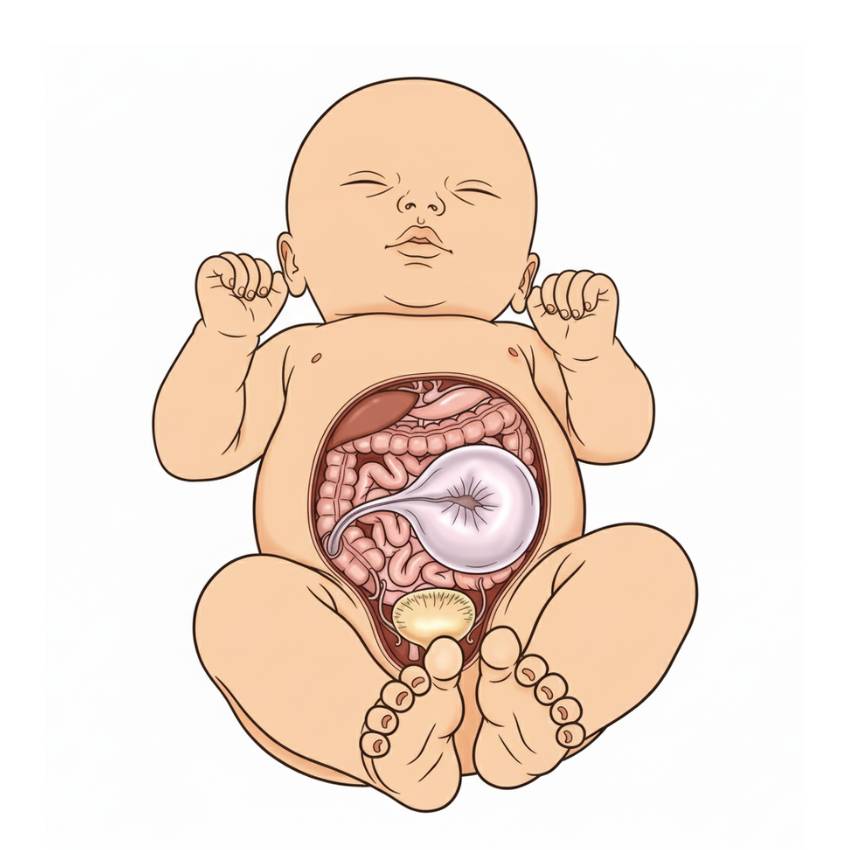
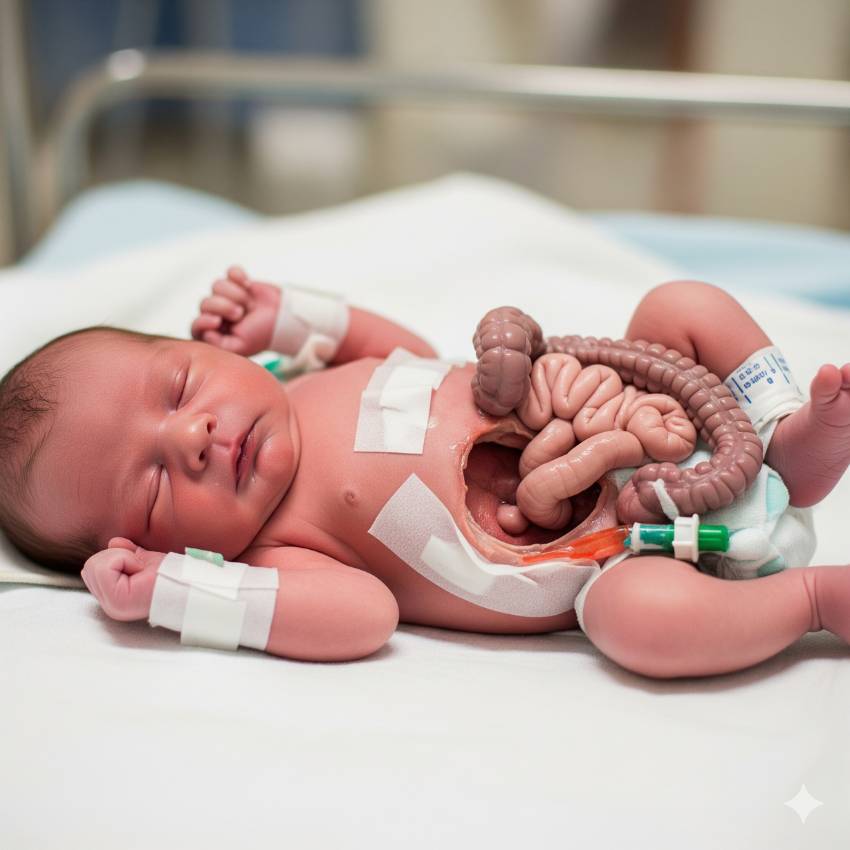
  • Abdominal wall defects are birth problems where a baby’s intestines or other organs protrude through a hole on the tummy.
  • These are usually detected during prenatal ultrasounds. At birth, they are immediately visible.
  • Treatment involves surgical repair, often soon after birth. For large defects, the organs may be placed in a “silo,” a protective plastic bag, and gradually pushed back into the abdomen over several days before the final surgical closure.
Neonatal abdo wall defects.png

Abdominal Cysts

  • Abdominal cysts appear as fluid-filled sacs within the foetal abdomen. These can originate from various organs, including the ovaries, kidneys, mesentery, or gastrointestinal tract.
  • Management is largely dependent on the size and characteristics of the cyst. The majority of cysts are benign and resolve spontaneously, often before or shortly after birth. After the baby is born, small, asymptomatic cysts are usually monitored with serial ultrasounds. For larger cysts, there is a higher risk of complications such as torsion (twisting of the cyst), which can cause pain and damage to the organ. In these cases, surgical removal may be required.
Antenatally Diagnosed Conditions Abdominal Cysts 1

Congenital Intestinal Anomalies

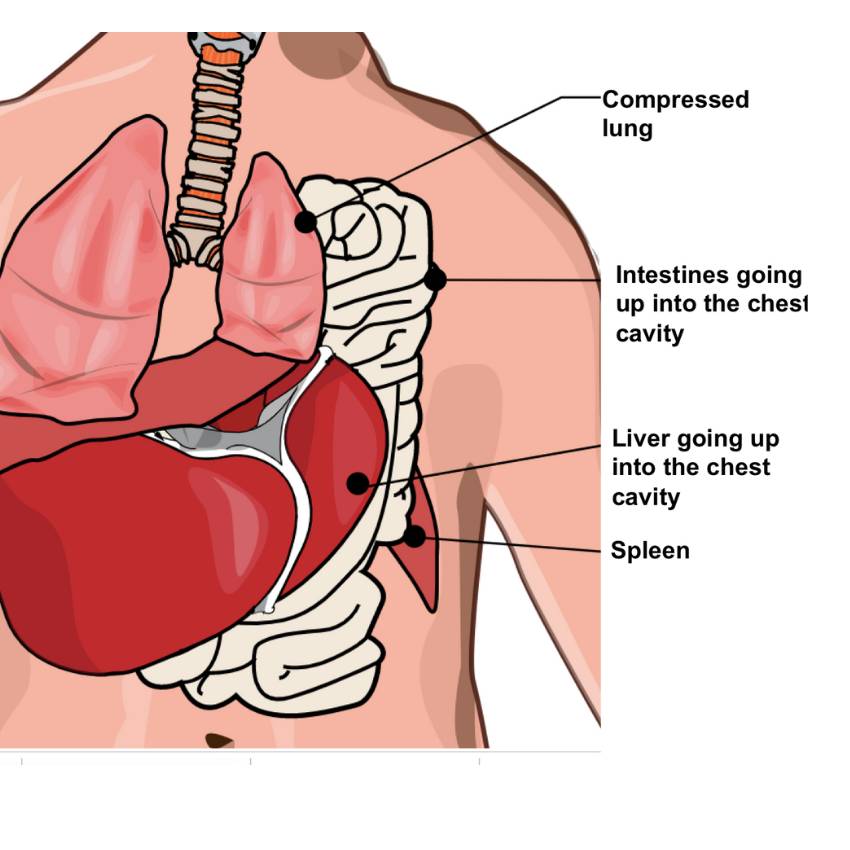
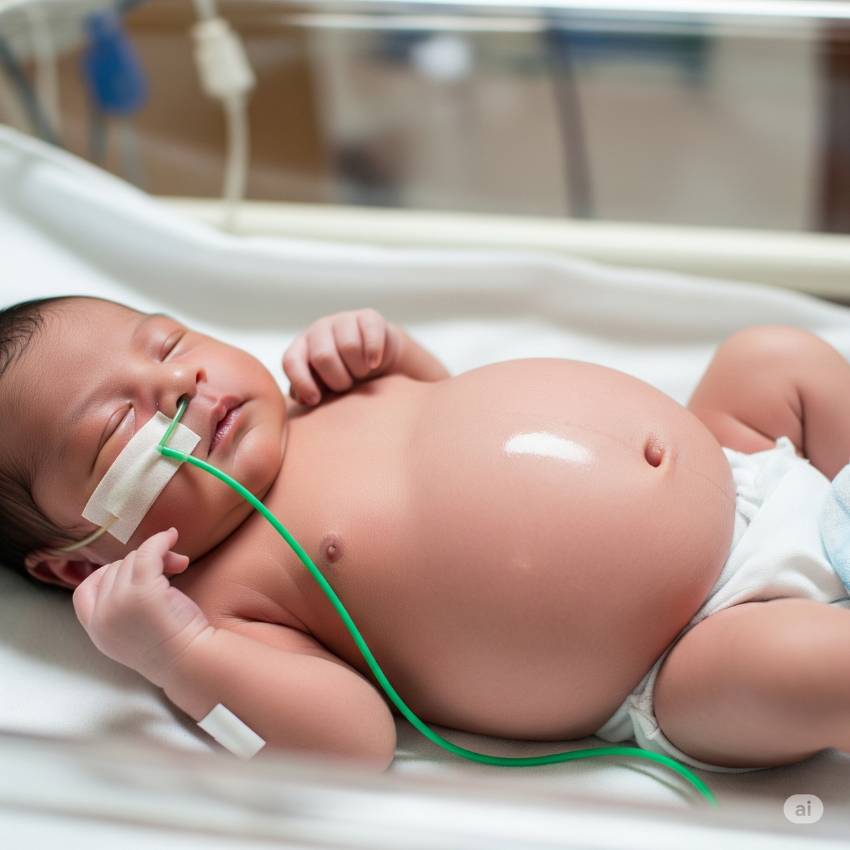
  • Congenital intestinal anomalies are a group of birth problems where a part of the baby’s gastrointestinal tract does not form properly. These can include blockages (atresia), twisted intestines (malrotation with volvulus), or missing nerve cells in the colon (Hirschsprung’s disease).
  • The presentation varies depending on the type of the anomaly and may include feeding difficulties, abdominal swelling, green vomiting or failure to pass green motion.
  • Treatment is surgical repair of the problem. Early diagnosis and timely surgical intervention are crucial for a good outcome.
Neonatal Surgery Congenital Intestinal Anomalies 2

Anorectal Malformation / Absent Anus

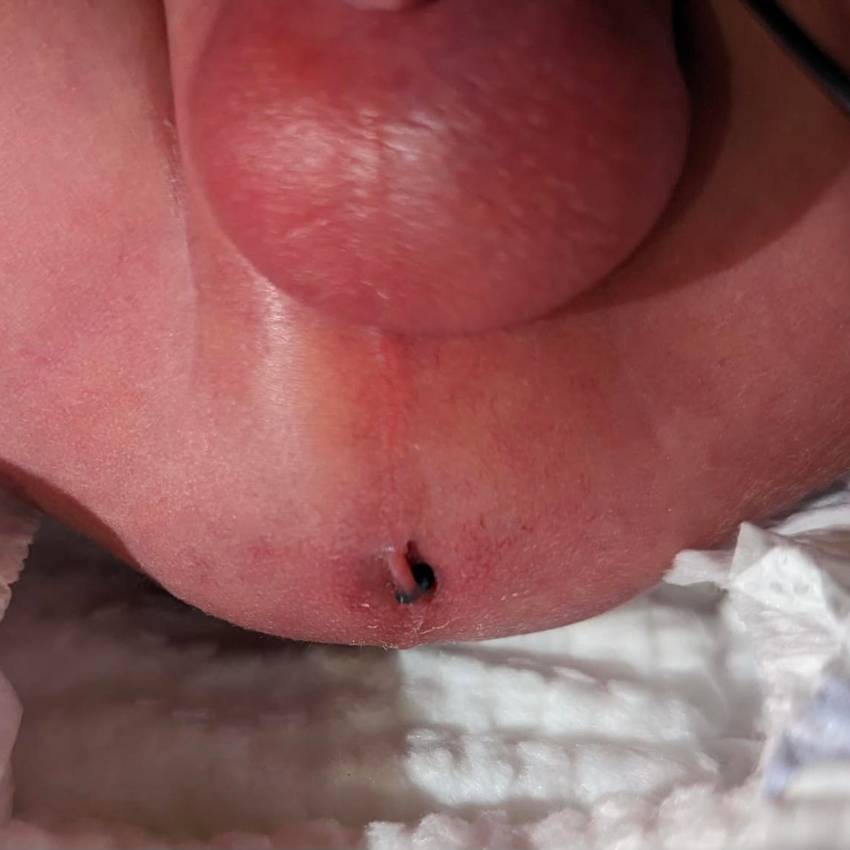
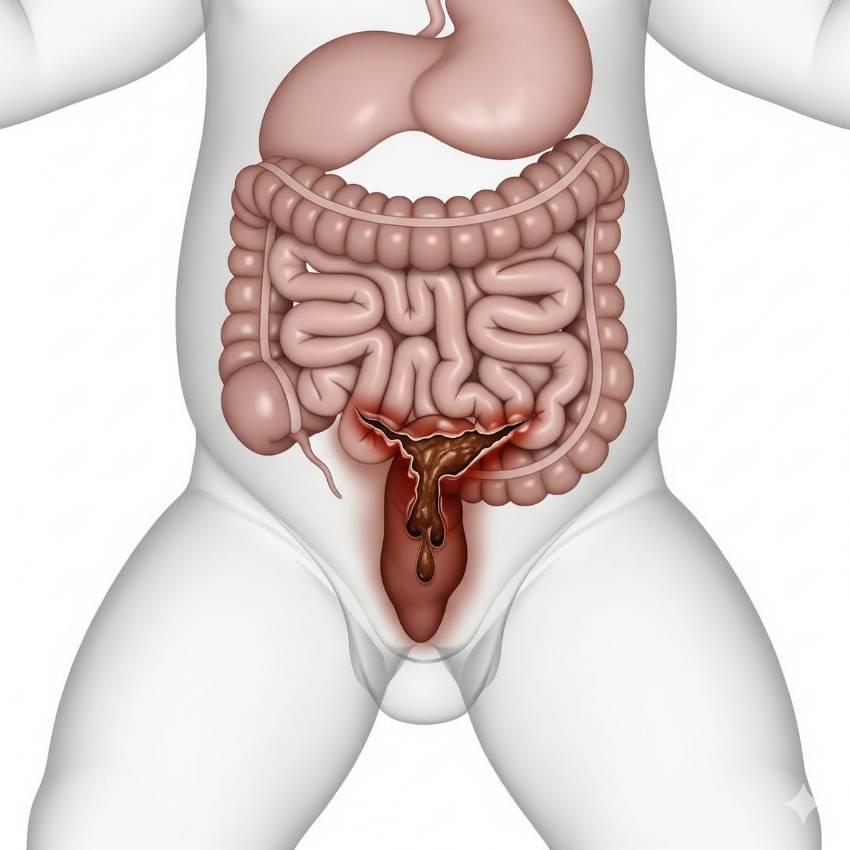
  • Absent anus is a condition where a baby’s anus (potty hole) does not form properly or is absent and may connect to the urinary tract.
  • Treatment is surgical and depends on the specific problem. A temporary colostomy might be performed first, creating an opening in the tummy to allow stool to exit into a bag. This gives the baby time to grow before a definitive surgery is performed to create a proper anal opening. The colostomy is then closed later.
  • With modern surgical techniques, the long-term outlook for children with anorectal malformations is very positive.
Neonatal Surgery Anorectal Malformation   Absent Anus

Hirschsprung’s Disease

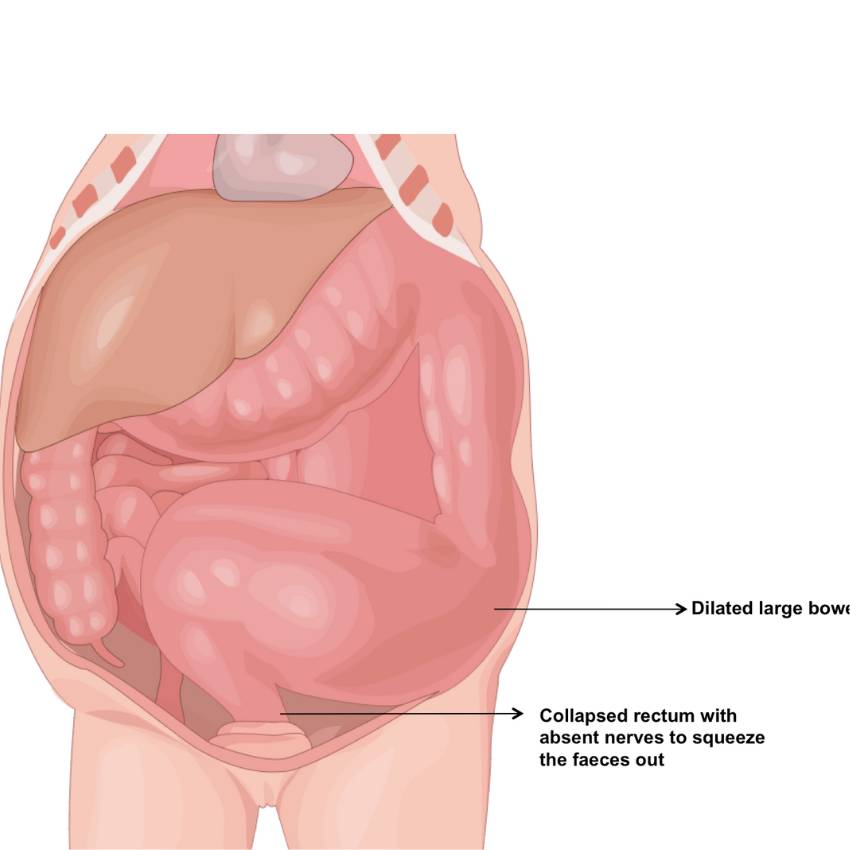
  • Hirschsprung’s disease is a condition where nerve cells are missing from a part of the large intestine. Without them, that segment of the intestine remains tightly constricted, causing a blockage and preventing stool from passing. This can lead to severe constipation, a swollen abdomen, and vomiting.
  • Diagnosis is typically made after birth, though milder cases might be found later in childhood. A biopsy of the intestinal wall as well as some special X-rays can help with diagnosis.
  • Treatment is always surgical. The affected, nerveless section of the bowel is removed, and the healthy portion of the intestine is connected to the anus. This may either be a single operation or a temporary colostomy may be needed first.
Neonatal Surgery Hirschsprungs Disease

GORD (Gastro-Oesophageal Reflux)

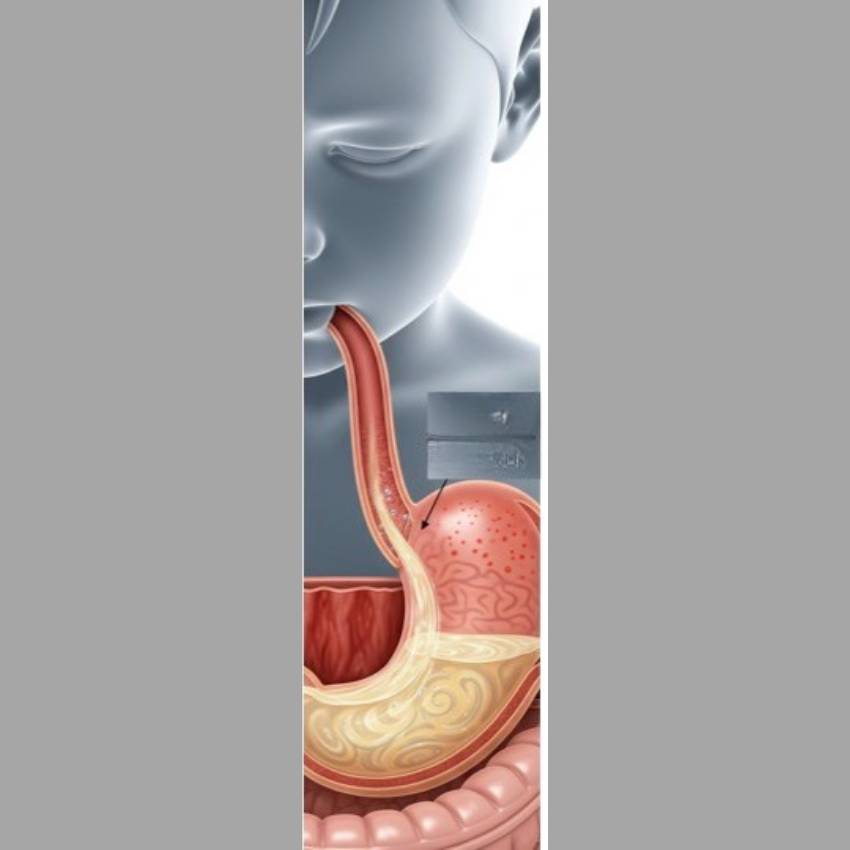
  • GORD and hiatus hernia are conditions where the stomach contents flow back into the oesophagus, causing a burning sensation (heartburn), vomiting, or poor feeding.
  • For many infants and young children, GORD is a normal part of development and often improves as they grow. Management usually begins with simple changes, such as smaller, more frequent meals, and keeping the child upright after feeding. In more persistent cases, medication may be recommended.
  • A hiatus hernia or severe GORD (not improving with medicines), may require surgical intervention (usually laparoscopically) to reposition the stomach and tighten the junction between food pipe and stomach.
GI GORD

Minor Anorectal Conditions

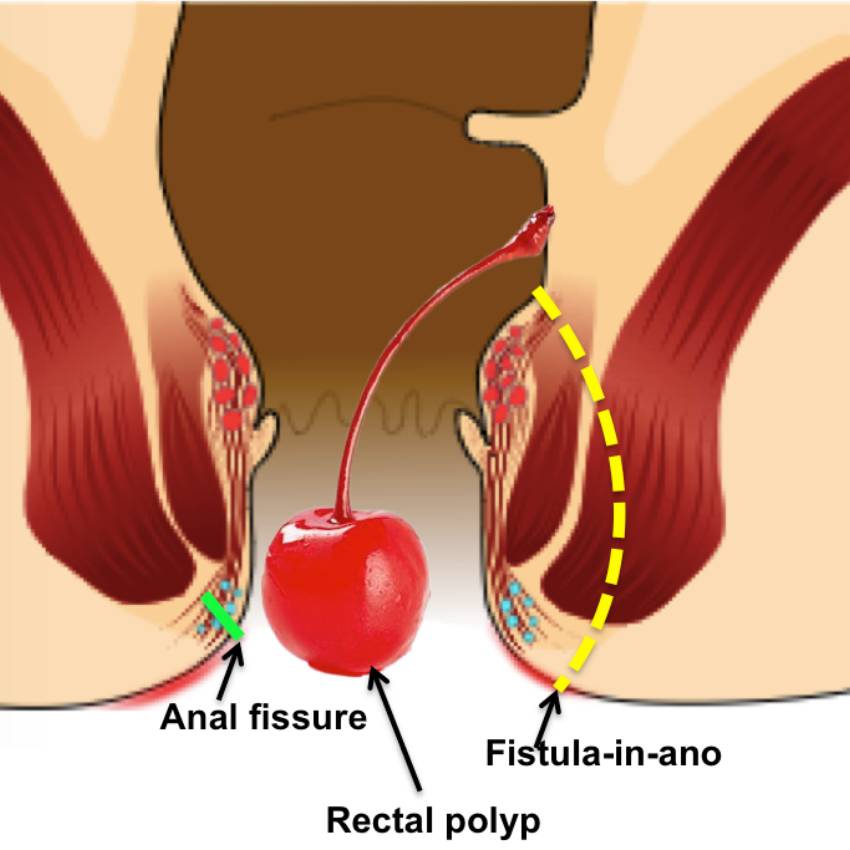
  • Anal fissures and fistulas are common anorectal conditions in children. An anal fissure is a small tear in the lining of the anus, often caused by the passage of hard stool. It presents with pain during bowel movements and small streaks of bright red blood on the stool. Management is usually conservative, focusing on softening the stool with a high-fibre diet, plenty of fluids, and stool softeners.

  • A fistula in ano is a small tunnel that develops between the inside of the anal canal and the skin near the anus. Symptoms include a persistent, painful lump, redness, and pus draining from a small opening on the skin that heals and forms again. Unlike fissures, fistulas rarely heal on their own and typically require a minor surgical procedure to open the tract and allow it to heal.

Upper GI Minor anorectal conditionsrectal polyp

Achalasia Cardia

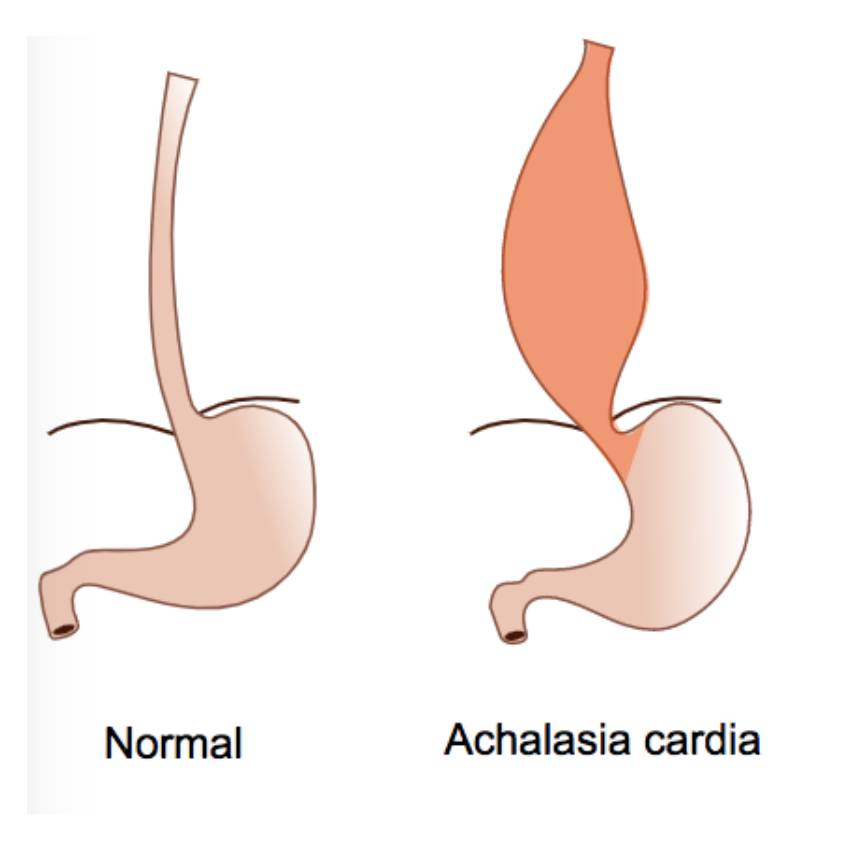
  • Achalasia cardia is a rare condition in children that affects the lower end of food pipe. The lower oesophageal sphincter, a muscle at the lower end of food pipe, fails to relax properly making it difficult for food and liquids to pass into the stomach.
  • The primary symptoms in children include difficulty swallowing (dysphagia), vomiting of undigested food, and poor weight gain. Older children may complain of chest pain or a sensation of food getting stuck.
  • Management of achalasia cardia is focused on relieving the obstruction and allowing food to pass. The most common treatment is a surgical procedure called a Heller myotomy, where the tight muscle fibers of the sphincter are cut. Another option is a pneumatic dilation, where a balloon is used to stretch the muscle. Both procedures have good success rates and significantly improve the child’s ability to eat and grow.

Pyloric Stenosis

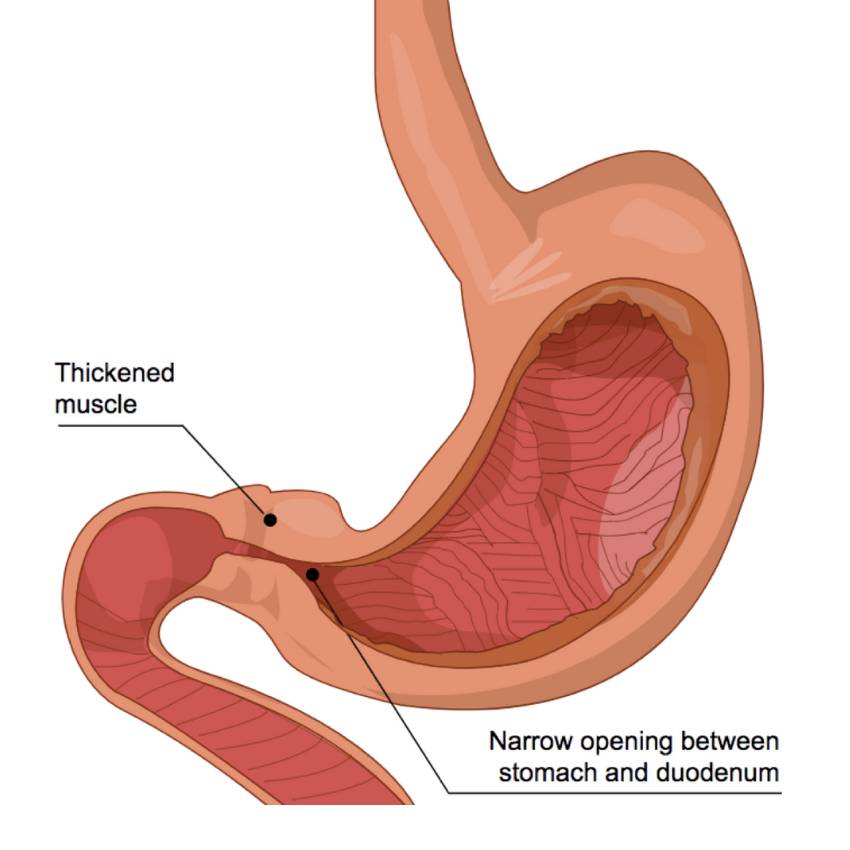
  • Pyloric stenosis is a condition in infants where the muscle at the outlet of the stomach thickens, blocking the passage of food to the small intestine. It typically presents in babies between 3-6 weeks old. The key symptom is forceful, projectile vomiting, which often occurs after feeding. The baby will usually be hungry again right after vomiting.
  • The only effective treatment is a surgical procedure called a pyloromyotomy. This is a very common and safe operation where the thickened muscle is split, allowing food to pass freely into the intestines. After the surgery, the baby can usually begin to feed normally within a day or two and make a full recovery.

Bowel Obstruction

  • Bowel obstruction is a blockage that prevents food and gas from passing through the intestines. In children, it can be caused by various conditions, such as intussusception (when one part of the intestine telescopes into another), hernias, or congenital malformations. The presentation can vary depending on the child’s age, but common signs include abdominal pain and swelling, vomiting (which may be green or yellow), and an inability to pass stool or gas.
  • Because bowel obstruction can quickly become serious, it requires immediate medical attention. Management is usually surgical to remove the blockage and join the ends of bowel together or, sometimes make a temporary hole in the intestine (stoma) to allow stool to come out of the abdomen into a bag for a few weeks before it is closed.
Bowel Obstruction

Bowel Perforation

  • Bowel perforation, a hole in the wall of the intestine, is a serious medical condition in children that requires immediate attention. It can be caused by various factors, including severe infection, a blockage in the bowel, or trauma to the abdomen. In newborns, it can be a complication of certain congenital conditions. The presentation can be dramatic, with symptoms including a swollen and tender abdomen, severe abdominal pain, fever, and vomiting.

  • Because of the risk of widespread infection in the abdomen (peritonitis), management is always a surgical emergency. The goal of the surgery is to close the hole in the bowel and clean out any infection that has spread.
Upper GI Bowel Perforation

Appendicitis

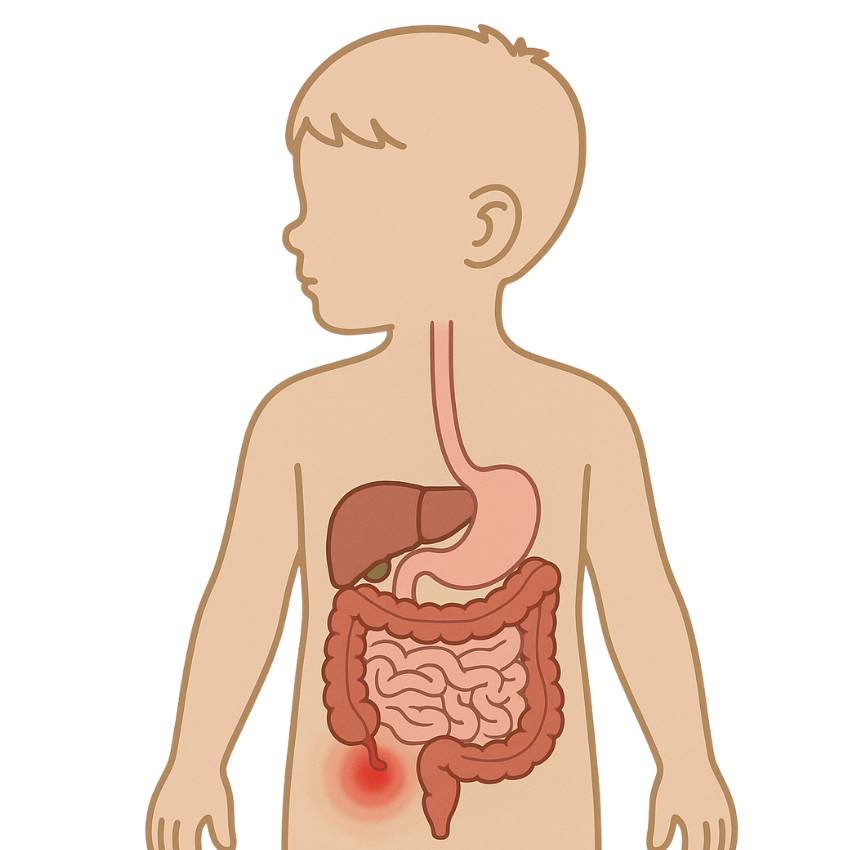
  • Appendicitis, the inflammation of the appendix, is the most common cause of emergency abdominal surgery in children. The initial symptom is often a dull pain around the belly button, which then moves to the lower right side of the abdomen. Other signs can include loss of appetite, fever, vomiting, and a tender abdomen, particularly when pressed in the lower right area.

  • If appendicitis is suspected, it is considered a surgical emergency. The standard management is an appendectomy, a surgery to remove the inflamed appendix. This is a common and safe procedure, often done laparoscopically, which uses small incisions and results in a quicker recovery.
Upper GI Appendicitis

Intussusception

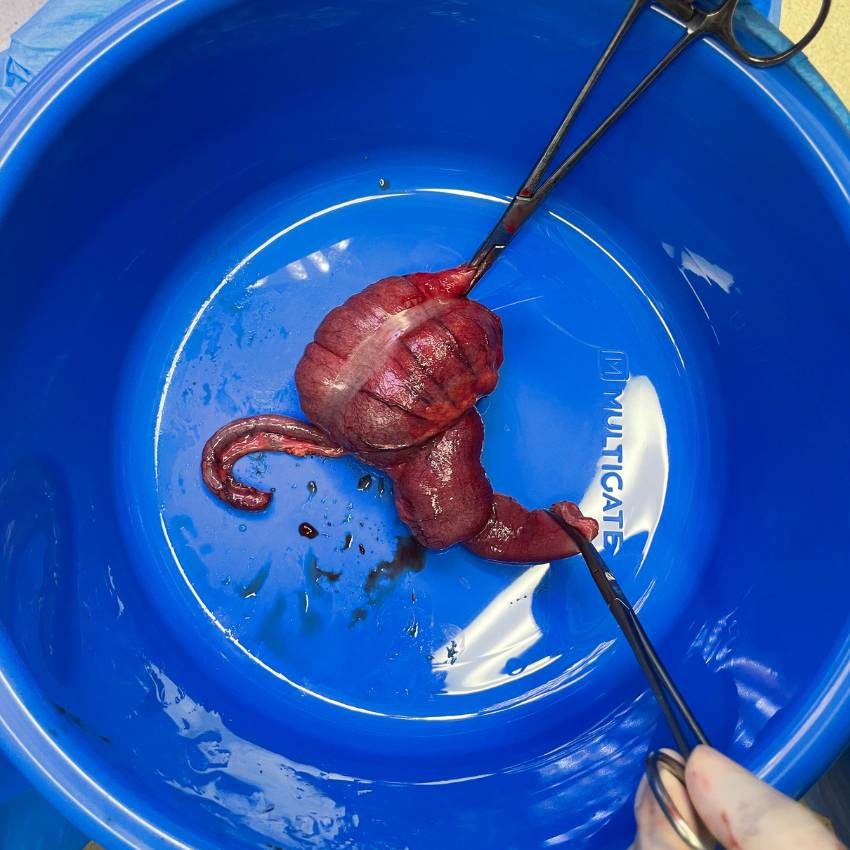
  • Intussusception is a condition where one part of the intestine slides into an adjacent part like a telescope. This causes a blockage and can cut off blood flow to the affected bowel. It typically affects children between 6-36 months age.

  • The child experiences severe, crampy abdominal pain that makes them pull their legs to their chest. Other classic signs include vomiting and blood in stools.

  • Management is a medical emergency. In many cases, the intussusception can be corrected with a procedure called a saline enema, which uses saline water under pressure to push the bowel back into its normal position. If this is unsuccessful or if the bowel is severely damaged, surgery will be necessary to manually correct the telescoping or remove the damaged section of the intestine.

GI intussusception

GI Bleeding

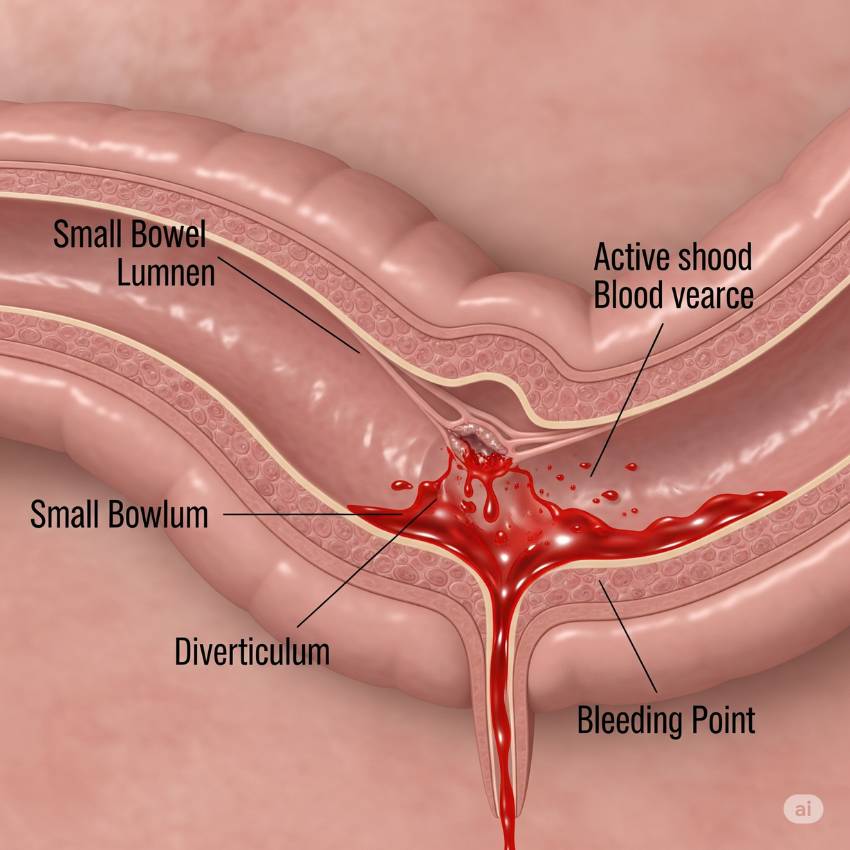
  • Gastrointestinal (GI) bleeding in children can be a frightening experience for parents. The presentation can range from minor, self-limiting blood in the stool or vomit to a medical emergency.

  • The management of GI bleeding in children begins with identifying the cause. This may involve a physical exam, blood tests, and sometimes imaging studies or an endoscopy. In many cases, the bleeding stops on its own. If it persists, medication or a surgical procedure to stop the bleeding may be required.

Upper GI GI Bleeding

Rectal Polyps

  • Rectal polyps are non-cancerous growths on the lining of the rectum. They are the most common cause of painless rectal bleeding in children between the ages of 2-10 years. The most frequent sign is bright red blood on the surface of the stool or dripping into the toilet after passing stool or a red mass protruding out of the anus.

  • Management is straightforward and involves visualisation of the polyp using a camera passed through the anus and using a special tool to remove it.

Upper GI Minor anorectal conditionsrectal polyp

Book an Appointment

Fill up the form given below and we will get back to you as soon as possible.