Head and neck swellings are a common concern for parents of young children. Most of these lumps are benign, such as swollen lymph nodes, which are small glands that swell in response to common cold or throat infection. Other causes can include congenital cysts, like thyroglossal duct cysts, branchial cleft cysts or dermoid cysts, which are present from birth and may become more noticeable with time.
While many of these swellings are harmless, it’s crucial to have them evaluated to ensure an accurate diagnosis. The management depends on the cause – with some needing medicines while others requiring surgical removal.
Torticollis is a condition in children where the neck is twisted, causing the head to tilt to one side. It is most commonly noticed within the first few months of life.
Management of torticollis is very effective, especially with early intervention. The primary treatment involves physical therapy and stretching exercises to lengthen the tight neck muscles. For example, placing toys on the opposite side to encourage the baby to turn their head. In cases that don’t respond to physical therapy, a minor surgical procedure may be required.
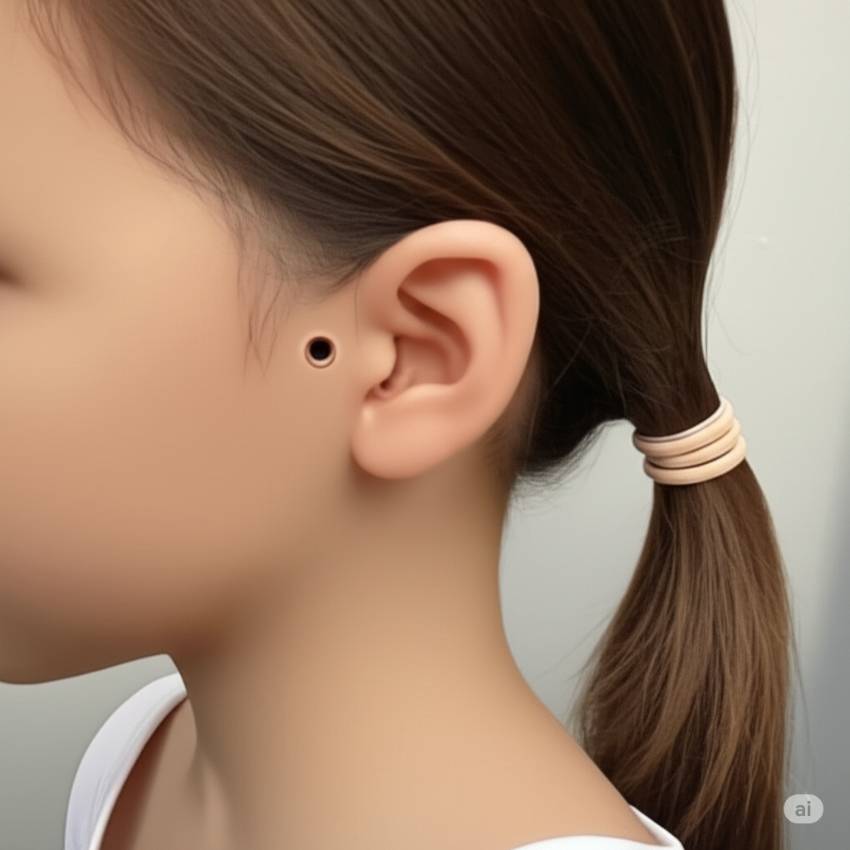
A preauricular sinus is a small hole or pit located just in front of the ear. It’s a common birth defect that occurs when two parts of the ear don’t fuse together properly during foetal development. In most cases, a preauricular sinus is harmless and doesn’t cause any problems.
However, sometimes it can become infected, leading to redness, swelling, and pus discharge. When this happens, it can be painful and may require a course of antibiotics to clear the infection. If the sinus becomes repeatedly infected, the recommended management is surgical removal of the sinus tract.
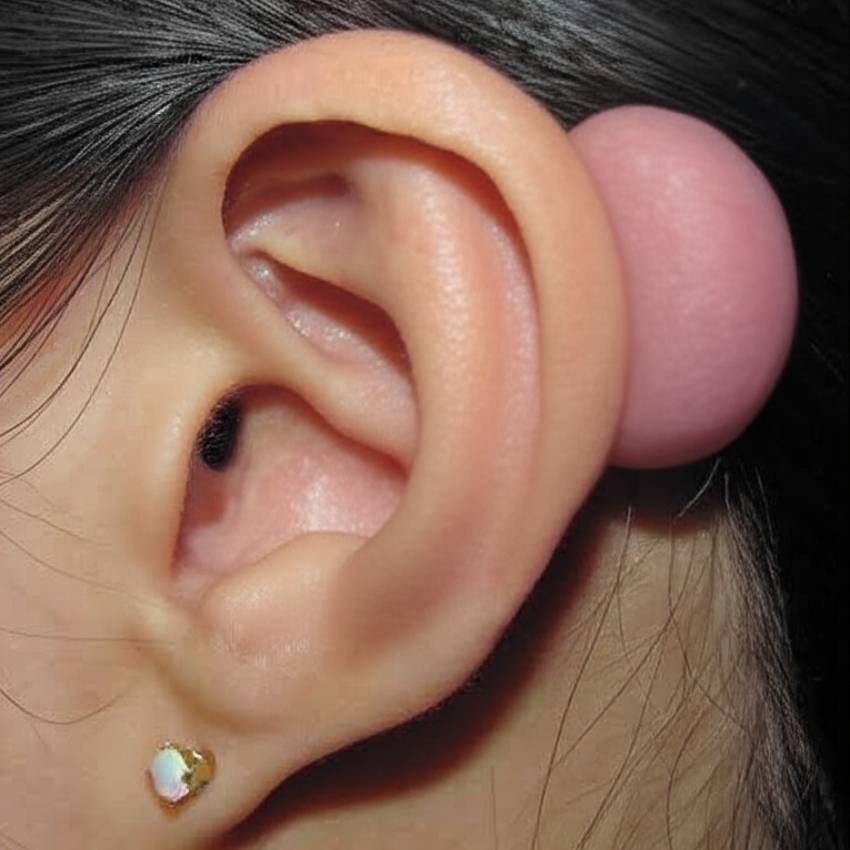
After a child gets their ears pierced, a keloid is a type of raised scar that can sometimes form. It’s an overgrowth of scar tissue that is firm, rubbery, and extends beyond the original piercing site.
If you notice a keloid forming, it’s important to seek medical advice. Management often involves a combination of treatments including steroid injections to help flatten the scar or, sometimes, surgical removal may be required if the size is big.
Tongue-tie is a condition present at birth that restricts the movement of tongue due to presence of a short, thick band of tissue tethering the bottom of the tongue to the floor of the mouth. In some children, this condition doesn’t cause any problems and may not even be noticed.
However, a tongue-tie can sometimes interfere with a baby’s ability to breastfeed or might affect speech.
Management is a simple procedure called a frenotomy, where the attaching band of tissue is divided under a short general anaesthetic as a daycase procedure.
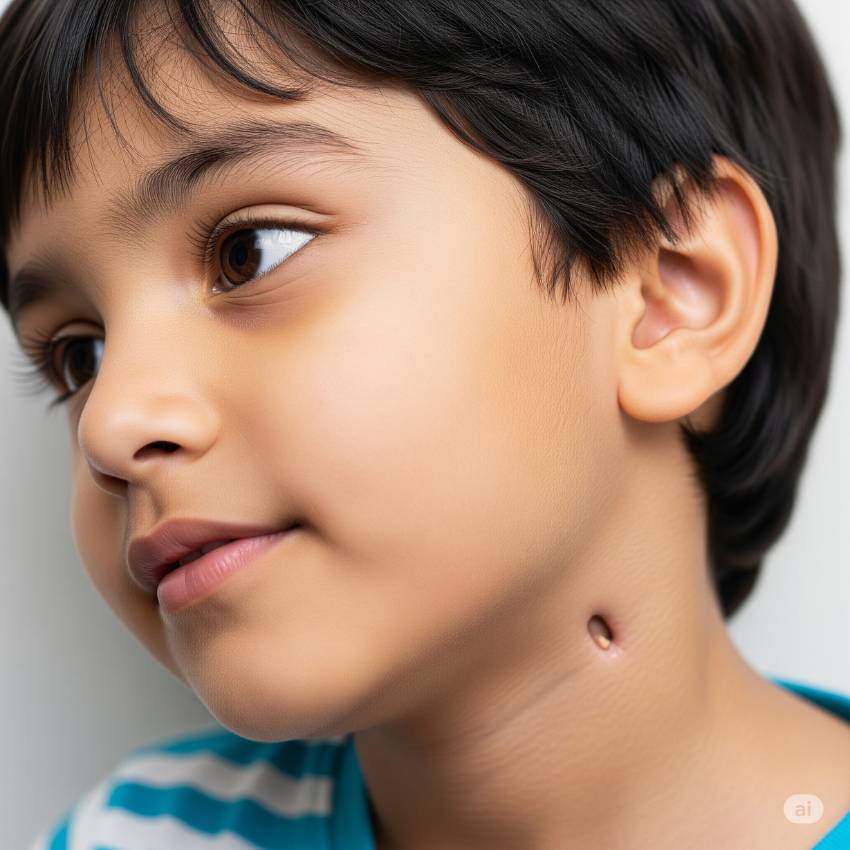
Branchial sinuses are small, congenital openings or pits that can appear anywhere along the side of the neck, from the ear to the collarbone.
In most cases, a branchial sinus is a harmless, cosmetic issue. However, it can sometimes become infected, leading to a red, swollen, and painful lump requiring antibiotic treatment. If the infection comes again and again, or if it is causing a significant cosmetic concern, the most effective management is surgical removal of the entire sinus tract.